October 22, 2026
In recent years, the adoption of electric vehicles (EVs) has surged, prompting many homeowners to consider installing EV chargers at home. This article explores the various aspects that homeowners should anticipate when planning an EV charger installation, from understanding costs to selecting the right equipment and navigating permits. Installing an EV charger requires balancing technical requirements, regulatory considerations, and personal preferences. By dissecting these factors, homeowners can achieve a seamless integration of this eco-friendly technology into their daily routines. Understanding the implications of EV charger installations can help ensure that the process is both efficient and beneficial in the long term for the user.
1. Understanding the Basics of EV Charging
1.1 Types of EV Chargers
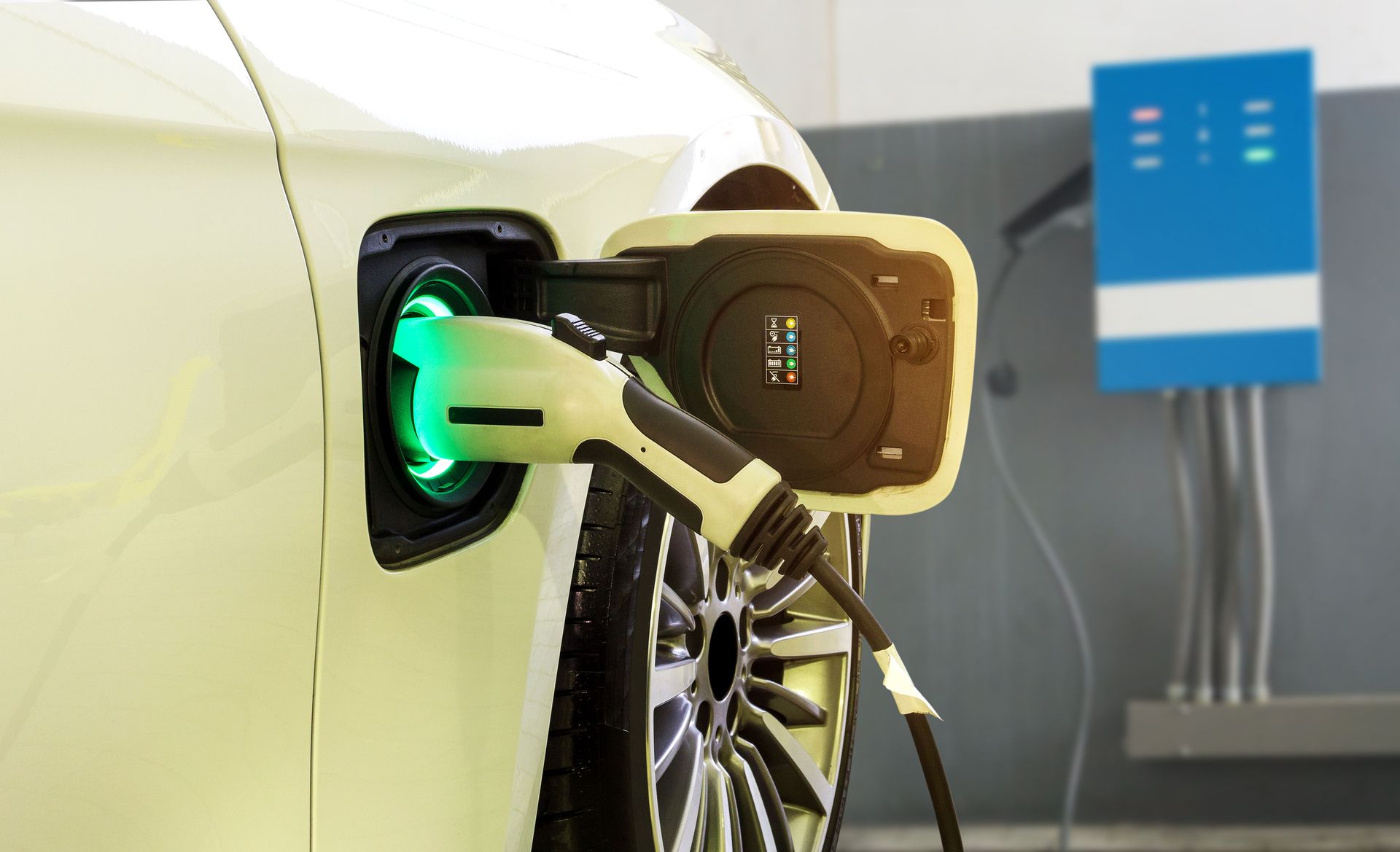
Electric vehicle chargers are available in various types, each suited to different user needs and vehicle specifications. Level 1 chargers are the most basic type, easily compatible with common household outlets, but they charge the vehicle at a slower pace. In contrast, Level 2 chargers offer a faster charging solution by utilizing a 240V outlet, commonly used by appliances like dryers. DC Fast Chargers represent the most powerful public charging option, providing rapid energy replenishment for long-distance travel. Choosing the right charger type depends on factors such as budget, charging speed requirements, and the level of convenience desired by the user.
1.2 Charging Speed and Power Levels
The charging speed of an EV charger is determined by its power level, influencing how quickly it can restore a vehicle's battery. Level 1 chargers, operating at around 1.4 kW, add approximately 4-5 miles of range per hour, suitable for overnight charging at home. Level 2 chargers increase this pace significantly, accommodating up to 7-22 kW, which translates into about 25 miles of range per hour. DC Fast Chargers dramatically reduce charging times by providing up to 350 kW, making them ideal for high-mileage users looking for quick top-offs. Homeowners must assess their daily driving habits and electricity consumption to select an appropriate charging speed.
1.3 Compatibility with Different EV Models
Compatibility between an EV charger and the user's specific vehicle model is crucial to ensure efficient and effective charging. Most Level 1 and Level 2 chargers come with J1772 connectors, which are compatible with the majority of electric vehicles on the market today. However, when planning to install a DC Fast Charger, owners need to verify their vehicle's compatibility with connectors like CHAdeMO or CCS. Additionally, manufacturers such as Tesla provide proprietary Supercharger networks, requiring an adapter for connection to J1772 systems. Ensuring compatibility from the outset can help ensure a smooth user experience and prevent potential future issues.
2. Assessing Your Home's Electrical Capacity
2.1 Evaluating Electrical Panel Capacity
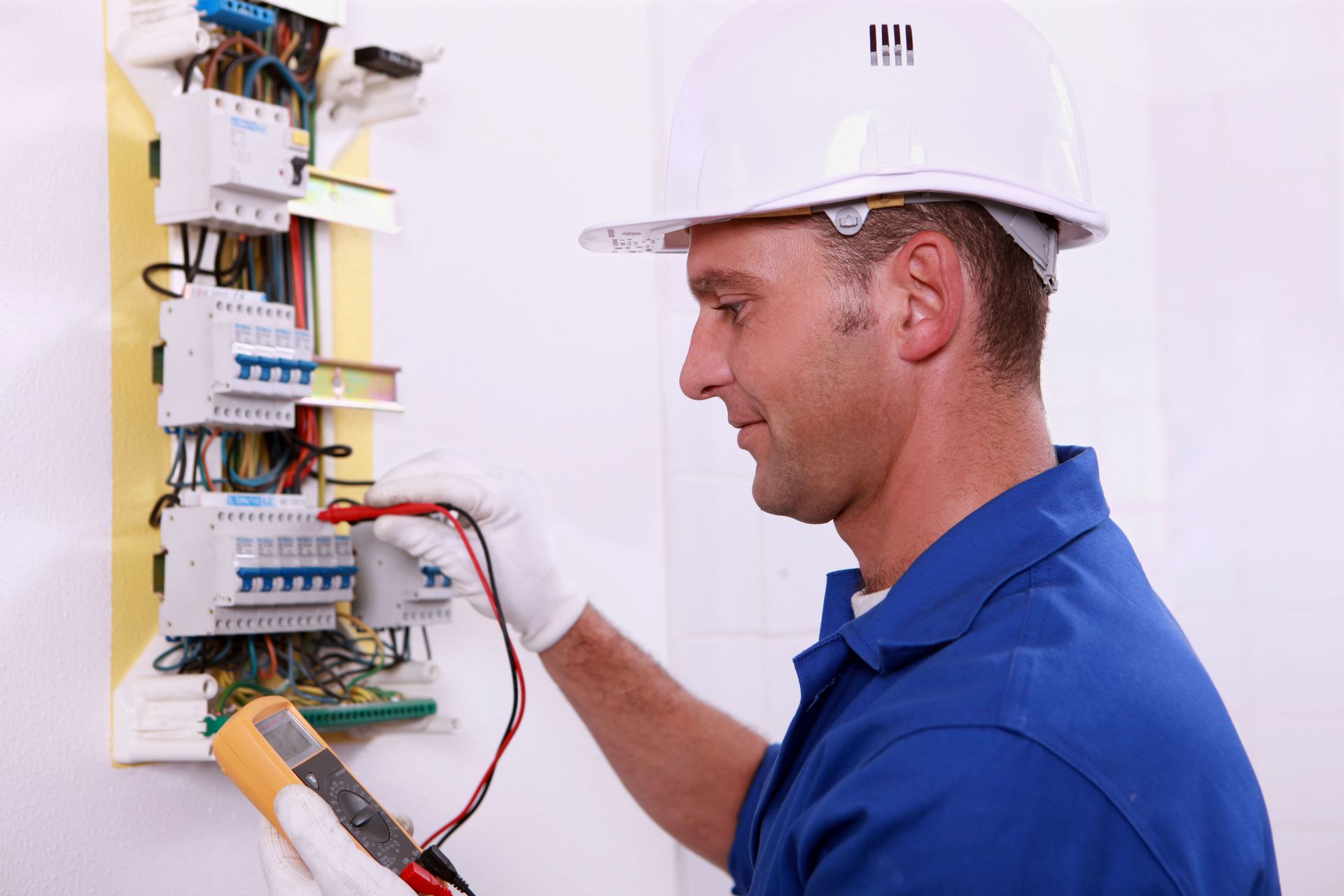
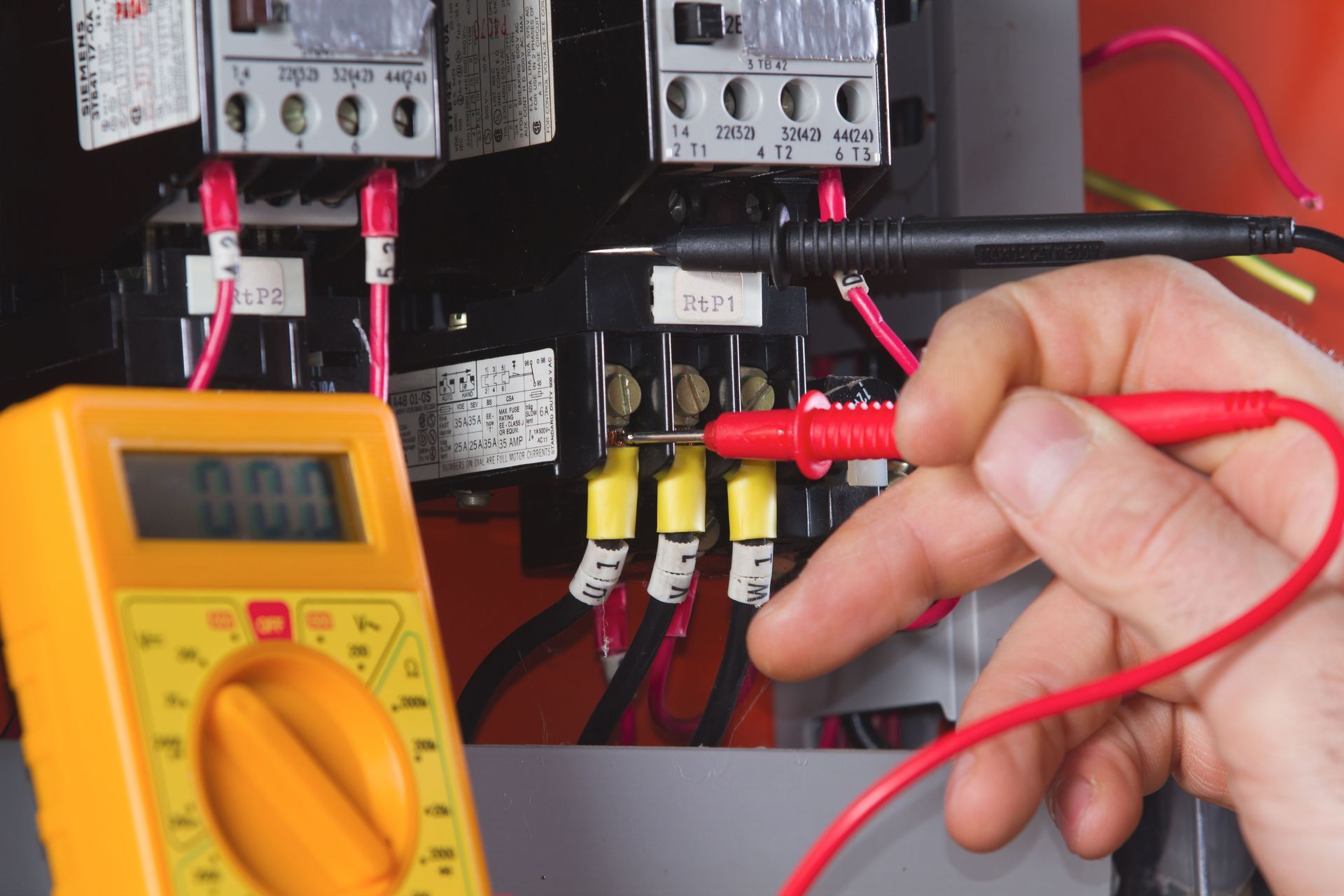
The first step in planning an EV charger installation is assessing your home's existing electrical panel capacity. Most residential panels operate at 100-200 amps, and it's crucial to determine whether yours can accommodate the extra load of an EV charger. Electricians play an essential role in this evaluation, examining your electrical panel's breaker size and ensuring that the additional electrical demand won't result in overloading or reduced safety margins. While smaller Level 1 chargers might integrate easily, Level 2 chargers often necessitate more substantial electrical panels or modifications. Confirming your panel's capacity early on can streamline the installation process, saving time and money.
2.2 Potential Need for Electrical Upgrades
Assessing the need for electrical upgrades is crucial when planning to install a Level 2 EV charger at home. If the existing electrical panel is insufficient, an upgrade may be necessary to safely accommodate the additional power demand. This might involve installing a new panel with more breakers or amplifying the current system to manage higher electricity loads. While the prospect of upgrades may seem daunting at first, it is an essential consideration for ensuring the long-term performance and resilience of the electrical system. Consulting expert advice from experienced electricians can guide homeowners through the decision-making process and identify the most cost-effective upgrade avenues available.
2.3 Load Management Solutions
Load management solutions offer an effective strategy for households with limited electrical capacity when installing an EV charger. Rather than undertaking costly panel upgrades, homeowners can opt for smart load management systems that allocate power usage based on demand and availability. These systems can dynamically adjust the power distribution to prioritize critical household circuits while avoiding overloading the system during peak hours. By integrating such solutions, homeowners can achieve a functional compromise that supports EV charging capabilities while maintaining optimal power usage throughout the home. Developing effective load management strategies, in collaboration with experienced electricians, ensures that the electrical system operates responsively and reliably.
2.4 Consulting with a Licensed Electrician
According to IEA, electricians play a critical role in EV charger installations, which are expected to grow to 35 million units globally by 2030. Consulting with a licensed electrician is a critical aspect of planning your home's EV charger installation. These trained professionals are equipped with the expertise to assess electrical panel capabilities, recommend suitable upgrades, and ensure compliance with safety standards. Electricians guide homeowners through the essential steps, from initial evaluation to outlining effective load management strategies that optimize power usage. Choosing a reputable electrician provides peace of mind, knowing that the installation adheres to best practices and enhances the overall safety and reliability of the home's electrical system.
3. Cost Factors and Budgeting
3.1 Costs of Different Types of Chargers
The costs associated with purchasing and installing EV chargers vary significantly depending on the charger type selected. Level 1 chargers are the most affordable option, often included with the vehicle purchase or priced between $300 and $600. Conversely, Level 2 chargers introduce higher price points, typically ranging from $500 to $1,200, with additional expenses related to mounting infrastructure and specialized features. DC Fast Chargers offer unmatched performance but come with a steep price tag upwards of $30,000, primarily due to installation complexity and high power requirements. When budgeting for EV chargers, homeowners should account for both immediate costs and future savings potential to achieve an optimal investment balance.
3.2 Installation and Labor Costs
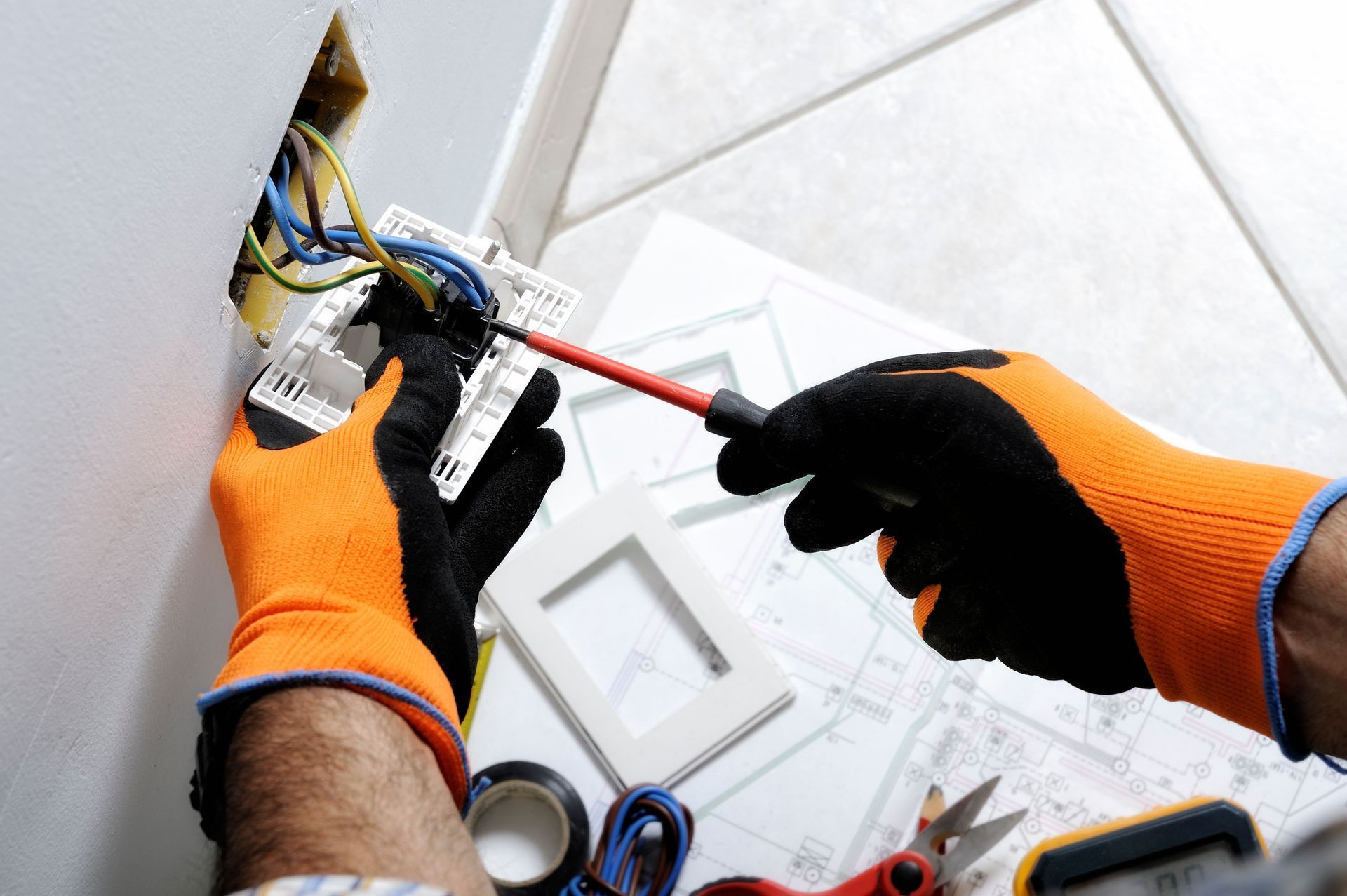
Aside from the upfront cost of the EV charger itself, installation and labor expenses compose a substantial portion of the total investment. Hiring a licensed electrician is essential for ensuring proper installation, with labor rates typically ranging from $50 to $150 per hour, depending on local pricing. Additional charges may arise from modifications to existing electrical infrastructure, such as panel upgrades or trenching for outdoor installations. While these costs might elevate the initial expenditure, a professional installation is crucial for safety and regulatory compliance. Investing in skilled labor ensures that the electrical service adheres to industry standards while optimizing charger performance.
3.3 Potential Government Rebates and Incentives
Homeowners can mitigate EV charger installation costs by taking advantage of government rebates and incentives available at the federal, state, and municipal levels. These programs provide financial assistance or tax credits to support eco-friendly initiatives and accelerate electric vehicle adoption. Incentives may cover specific portions of equipment costs, installation fees, or electrical upgrades involved in the process. Researching available incentive programs is essential to maximize potential savings and achieve a cost-effective installation. By exploring these opportunities, homeowners can capitalize on financial aid while aligning their projects with broader environmental and sustainability goals.
When budgeting for EV charger installations, it is vital to plan for potential future upgrades and expansions. The electric vehicle market is rapidly evolving, with new technologies and charging solutions emerging to handle increased energy demands and diverse user requirements. By investing in scalable infrastructure and adaptable home electrical systems, homeowners can maintain charger flexibility amidst industry progression. Preparing for eventual expansions supports additional cars, improved charging features, or integration with future renewable energy systems. Identifying long-term growth prospects during the planning phase enables homeowners to optimize their investments, ensuring sustained value and functionality well into the future. Be sure to reach out to R & T Electric LLC today to learn more about our professional electrician services!