August 25, 2026
As electric vehicles become a more common part of everyday transportation, many homeowners are looking for convenient ways to charge their vehicles without relying solely on public stations. A hardwired EV charger provides a dedicated solution that can make charging easier, more reliable, and better suited to regular use. From supporting faster charging to preparing a home for future vehicle ownership, the right setup can offer several long-term benefits. Understanding why this upgrade may be worthwhile can help homeowners decide whether investing in a dedicated charging system is the right choice for their property.
1. Supporting Faster Home Charging
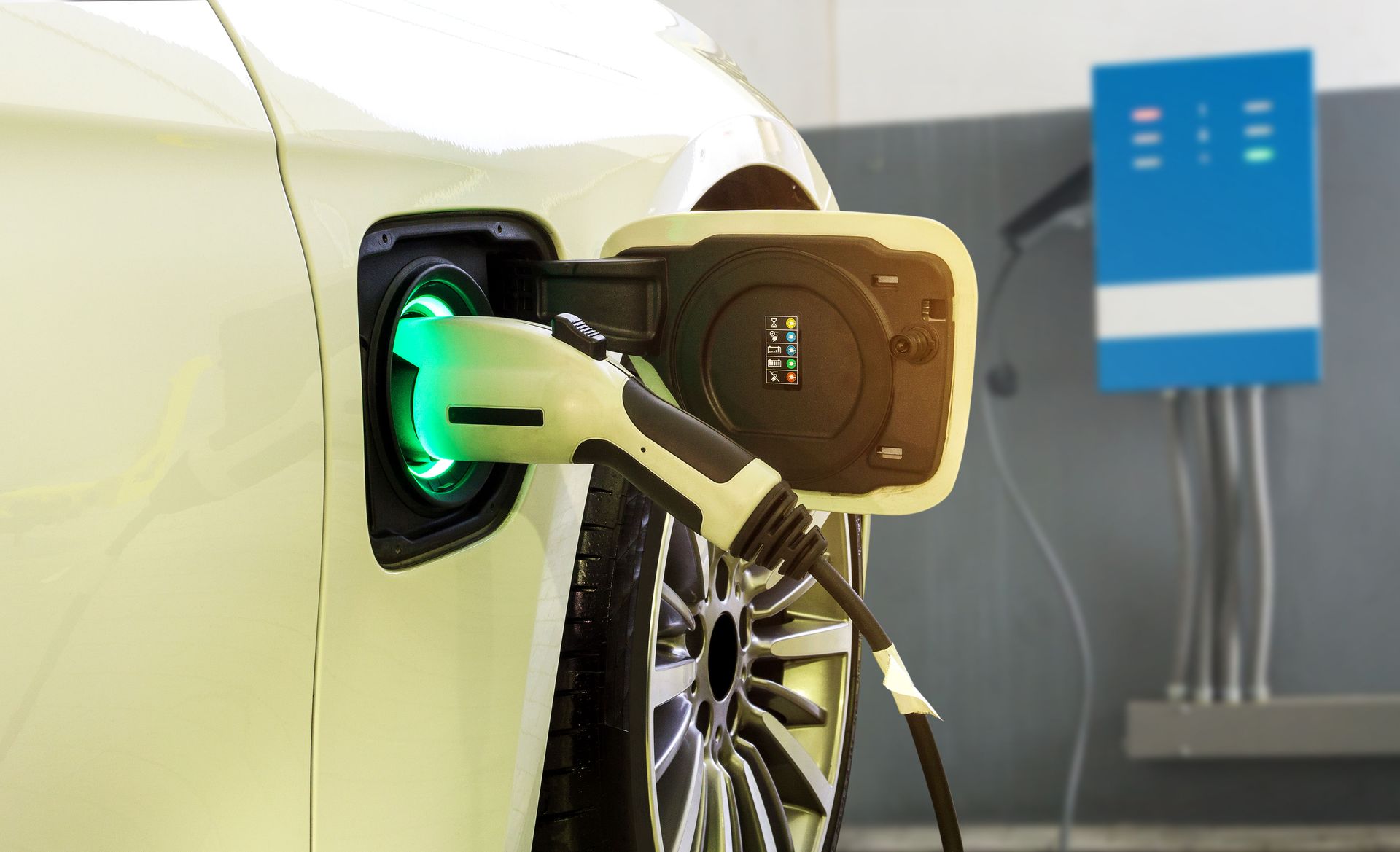
One of the main reasons homeowners consider a hardwired EV charger is the ability to support convenient and efficient charging at home. While standard household outlets can provide power to certain vehicles, charging times may be significantly longer depending on the equipment and vehicle. A dedicated hardwired charger is designed to provide a more consistent charging setup for regular use. Working with a local electrician can help homeowners determine whether their existing electrical system can support the equipment they plan to install. The available electrical capacity, panel condition, and location of the charger can all influence the installation process. A properly planned setup can make it easier to charge a vehicle overnight or during other periods when it is not in use. This added convenience can reduce the need to rely exclusively on public charging locations. For households that expect to own an electric vehicle for years, a dedicated charging solution can become a useful part of everyday life.
2. Creating Greater Everyday Convenience
Charging an electric vehicle at home can simplify a driver's routine by allowing the vehicle to recharge while parked. Instead of making a separate trip to a charging station, homeowners can connect the vehicle at the end of the day and return to it later with additional range. This can be particularly convenient for people with predictable driving schedules. A local electrician can help position the charger in a location that is practical for the garage, driveway, or other approved installation area. The placement of the equipment can affect cable access and how easily the homeowner can connect the vehicle. Planning ahead can also help keep the charging area organized and reduce unnecessary clutter. A dedicated charging location can make the process feel more like any other routine part of owning a vehicle. Over time, this convenience can be one of the most noticeable benefits of investing in home charging equipment.
3. Improving Charging Reliability
A hardwired charger can provide a permanent connection rather than depending on a standard outlet for frequent charging. Because the equipment is installed as part of the home's electrical system, it can offer a dependable setup for regular vehicle use when properly designed and installed. Homeowners can also avoid repeatedly connecting and disconnecting certain charging equipment from an ordinary outlet. A local electrician can evaluate the circuit requirements and ensure the installation is appropriate for the selected charger. Electrical components must be matched correctly to the demands of the equipment and the home's available capacity. A professional installation can also help identify issues that may need to be addressed before the charger is added. Reliable access to home charging can be especially valuable for households that depend on an electric vehicle for commuting or other frequent travel. A permanent charging setup provides a designated solution instead of relying on temporary arrangements.
4. Increasing Long-Term Home Appeal
Electric vehicles are becoming a larger part of the transportation landscape, which means charging access may become increasingly important to homeowners and buyers. A home with a dedicated charging setup can offer an added convenience that may appeal to future residents. According to Builder's 2026 trend report, 20% of new home buyers now identify an EV charger as a must-have feature, compared with 16% in 2024. The increase suggests that home charging access is becoming a more important consideration for a growing share of buyers. A local electrician can help homeowners install equipment that fits their current needs while considering practical factors that may affect future use. The charger itself may not determine a home's value on its own, but it can contribute to the property's overall functionality and appeal. As more drivers consider electric vehicles, features that support convenient charging may become more relevant during future home searches. Adding this capability now can allow homeowners to enjoy the feature themselves while also preparing the property for changing preferences.
5. Reducing Dependence on Public Stations
Public charging stations can be useful during long trips and other situations where home charging is unavailable. However, depending on them for every charge may require additional planning around station locations and availability. Home charging gives drivers another option that can fit more naturally into their daily schedules. With guidance from a local electrician, homeowners can create a charging arrangement that is compatible with their property and electrical system. This does not eliminate the usefulness of public charging, especially for travel beyond the vehicle's available range. Instead, it can reduce how often a driver needs to make a special trip solely to recharge. Having access to charging where the vehicle is normally parked can make everyday transportation easier to manage. A home charger can therefore provide greater flexibility while allowing public stations to serve as an additional resource.
6. Preparing for Future Vehicle Ownership
Even homeowners who do not currently own an electric vehicle may want to consider how their transportation needs could change. A future vehicle purchase, a growing household, or changing commuting habits could make home charging more useful later. Planning an electrical upgrade in advance can sometimes be easier than waiting until equipment is urgently needed. A local electrician can assess the home's current electrical system and identify whether improvements may be necessary to support future charging equipment. This evaluation can provide useful information even if the homeowner decides to delay installation. Preparing the appropriate electrical infrastructure may also make a future charger installation more straightforward. Homeowners can consider the location of the parking area and how a vehicle would connect to the equipment. Thinking ahead can help avoid rushed decisions when the need for an electric vehicle charger eventually arises.
7. Supporting Electrical Safety
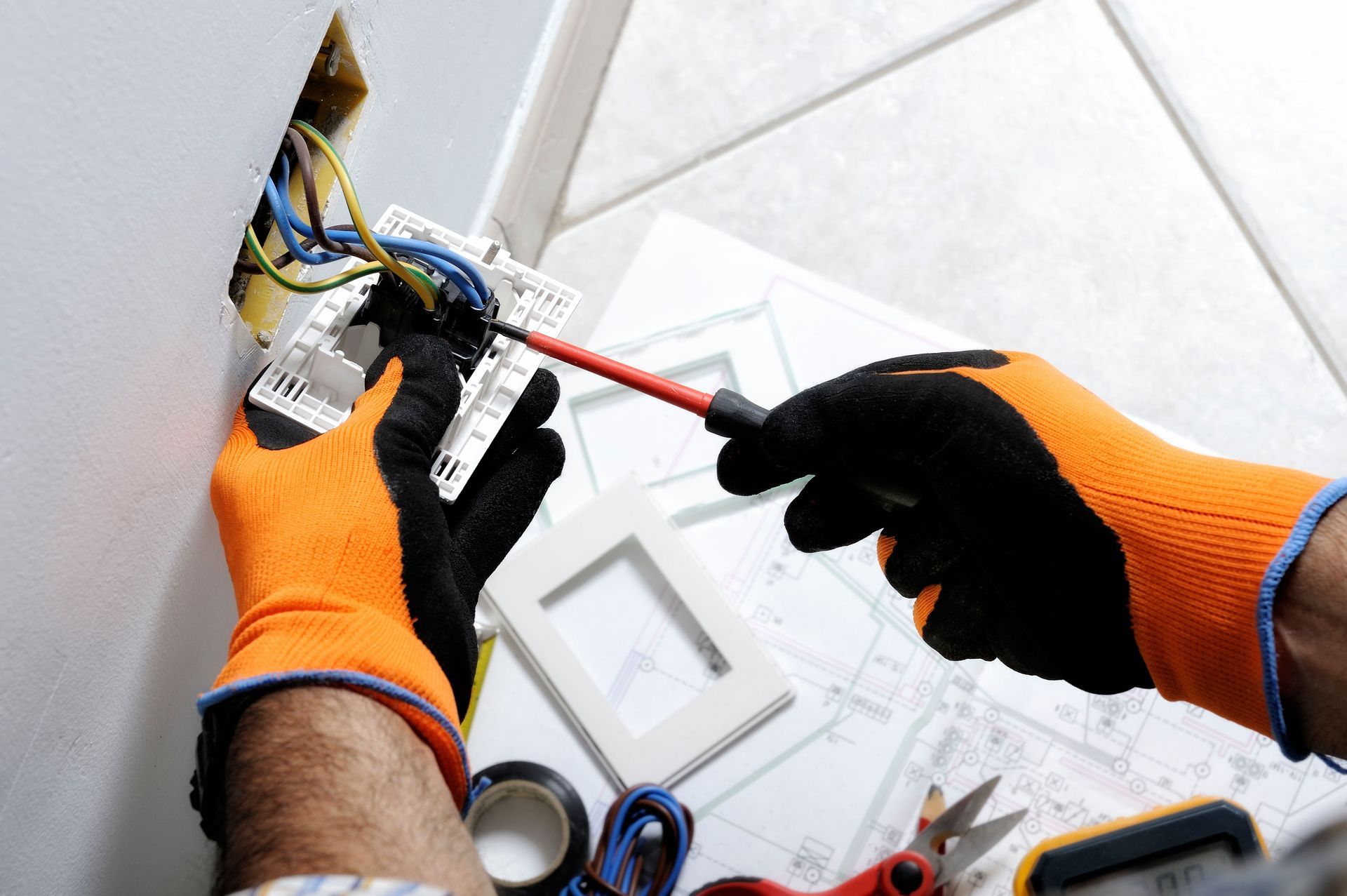
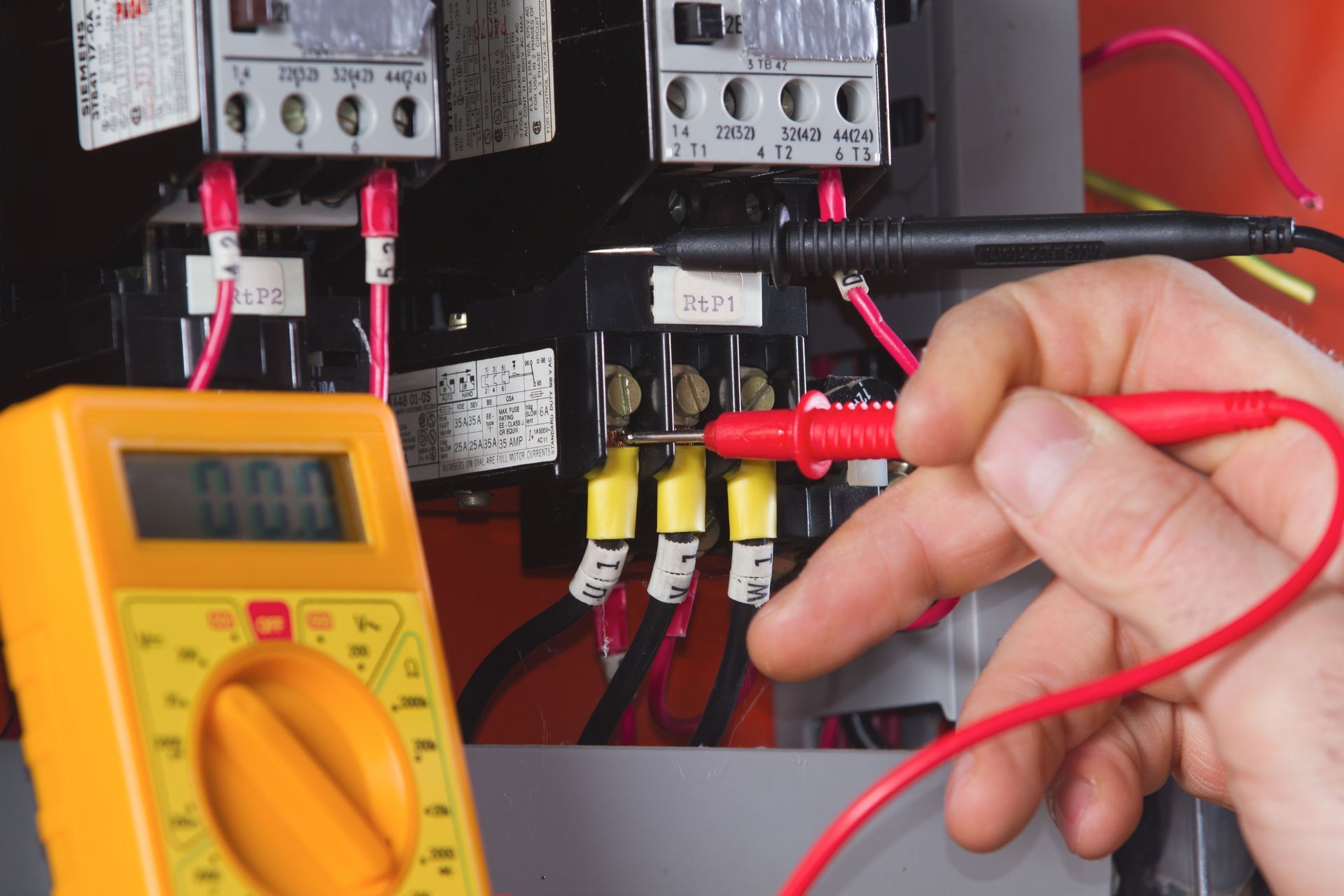
Electrical equipment should be installed with careful attention to the demands placed on the home's system. An EV charger may require a dedicated circuit and other considerations based on the specific equipment and installation requirements. Using an existing electrical connection without confirming its suitability can create unnecessary concerns. A local electrician can evaluate the electrical panel, available capacity, wiring, and other components before installation begins. This helps ensure that the charging equipment is incorporated appropriately into the home's electrical system. Professional installation can also help homeowners understand how the equipment should be used and maintained. Electrical safety involves more than simply connecting a charger and assuming the existing system can handle the additional demand. A properly planned installation can provide greater confidence that the charging setup has been designed around the property's specific electrical conditions.
8. Managing Charging More Efficiently
A dedicated charger can give homeowners more control over when and how they recharge their electric vehicles. Depending on the charger and vehicle, users may have access to settings that support scheduled charging and other management options. Charging during periods when the vehicle is already parked can make the process more convenient. A local electrician can install the necessary equipment so the homeowner has a permanent location for regular charging. The charger can then become part of an established routine instead of requiring a temporary setup each time the vehicle needs power. Homeowners should also consider their driving habits when selecting charging equipment and determining the appropriate installation location. A household with multiple vehicles may have different needs than a homeowner with one vehicle used primarily for short daily trips. Matching the setup to actual usage can help homeowners get the most practical benefit from their investment.
Every home has different electrical requirements, which is why professional planning is an important part of the process. From assessing available capacity to determining a practical charger location, careful preparation can help create a setup that fits your needs. A dedicated charging solution can support your current electric vehicle while also preparing your home for future transportation changes. Professional installation helps ensure the equipment is properly integrated into the home's electrical system. If you are ready to explore the benefits of a hardwired EV charger, contact R & T Electric LLC today to discuss your project and take the next step toward convenient home charging.